Betaine Hydrochloride is a type of alkaloid which may alleviate cases of heartburn (by increasing the level of hyrochloric acid in the stomach). Supplemental hydrochloric acid may be an aid to digestion and increase energy levels.
Do not use if you have gastritis or stomach ulcers or excess acidity.
Bromelain and Papain are types of dietary proteolytic enzymes. They facilitate the digestion of dietary protein and gluten and may have cardiovascular benefits due to their ability to break down harmful compounds.
Peer Reviewed Professional Journals.
Maurer, H. R., et al. Bromelain: biochemistry, pharmacology and medical use. Cell Mol Life Sci. 58:139-151, 1979.
Nieper, H. Journal of the International Association for Preventative Medicine. 6:139-151, 1979.
Nieper, H. Acta Medica Empirica. 5:274-275, 1978.
Nieper, H. Effect of bromelain on coronary heart disease and angina pectoris. Acta Medica Empirica. 5:274-278, 1978.
Lenard, L. Breakthrough in German enzyme research - Part II. Vitamin Research News. March 1999.
Messer, M., et al. Studies on the mechanism of destruction of the toxic action of wheat gluten in coeliac disease by crude papain. Gut. 5:295-303, 1964.
Bromelain and Papain are types of dietary proteolytic enzymes. They facilitate the digestion of dietary protein and gluten and may have cardiovascular benefits due to their ability to break down harmful compounds.
Peer Reviewed Professional Journals.
Maurer, H. R., et al. Bromelain: biochemistry, pharmacology and medical use. Cell Mol Life Sci. 58:139-151, 1979.
Nieper, H. Journal of the International Association for Preventative Medicine. 6:139-151, 1979.
Nieper, H. Acta Medica Empirica. 5:274-275, 1978.
Nieper, H. Effect of bromelain on coronary heart disease and angina pectoris. Acta Medica Empirica. 5:274-278, 1978.
Lenard, L. Breakthrough in German enzyme research - Part II. Vitamin Research News. March 1999.
Messer, M., et al. Studies on the mechanism of destruction of the toxic action of wheat gluten in coeliac disease by crude papain. Gut. 5:295-303, 1964.
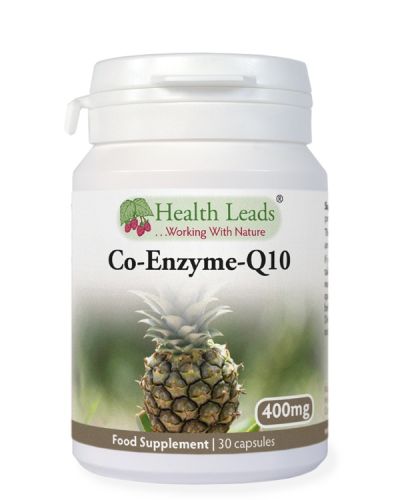
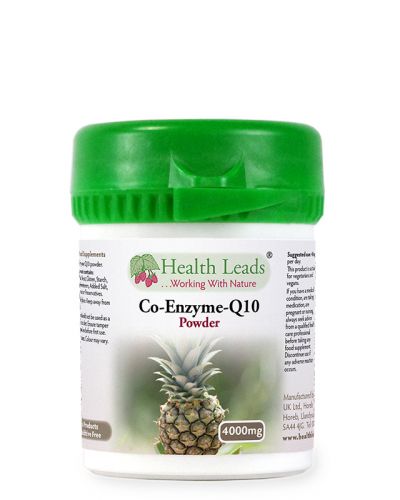
Coenzyme Q10 is a fat-soluble coenzyme (quinone) - the most important Q coenzyme for humans. This is involved in a vast range of functions within the body from cellular processes through metabolic, cardiovascular, immune etc.
Peer Reviewed Journals: Kagan, T., et al. Coenzyme Q10 can in some circumstances block apoptosis, and this effect is mediated through mitochondria. Annals of the New York Academy of Sciences USA. 887:31-47, 1999.
Coenzyme Q10 with added Lecithin is an especially valuable supplement with a noteworthy synergy.
Coenzyme Q10 is a fat-soluble coenzyme (quinone) which is involved in a vast range of functions within the body from cellular energy processes through metabolic, cardiovascular, immune etc.
Our body cells all contain substantial amounts of coenzyme Q10. Without an adequate supply, we simply can not function at peak performance. As an active contributor to all aspects of cellular function, Co-Q-10 has become universally accepted as one of the most vital nutrients. As a powerful antioxidant, it significantly reduces the oxidation of LDL cholesterol, along with the added Lecithin which also helps lower LDL cholesterol and raise HDL cholesterol..
Coenzyme Q10 is a fat-soluble coenzyme (quinone) - the most important Q coenzyme for humans. This is involved in a vast range of functions within the body from cellular processes through metabolic, cardiovascular, immune etc. Peer Reviewed Journals: Kagan, T., et al. Coenzyme Q10 can in some circumstances block apoptosis, and this effect is mediated through mitochondria. Annals of the New York Academy of Sciences USA. 887:31-47, 1999.
Coenzyme Q10 is a fat-soluble coenzyme (quinone) - the most important Q coenzyme for humans. This is involved in a vast range of functions within the body from cellular processes through metabolic, cardiovascular, immune etc.
Peer Reviewed Journals: Kagan, T., et al. Coenzyme Q10 can in some circumstances block apoptosis, and this effect is mediated through mitochondria. Annals of the New York Academy of Sciences USA. 887:31-47, 1999.
Coenzyme Q10 is a fat-soluble coenzyme (quinone) - the most important Q coenzyme for humans. This is involved in a vast range of functions within the body from cellular processes through metabolic, cardiovascular, immune etc.
Peer Reviewed Journals: Kagan, T., et al. Coenzyme Q10 can in some circumstances block apoptosis, and this effect is mediated through mitochondria. Annals of the New York Academy of Sciences USA. 887:31-47, 1999.
The new 15mg Lutein with Eyebright 175mg & Bilberry 75mg retails at £20.90, just 15p more than the old 20mg Lutein and with the additional herbals is an effective supplement for eye health also representing excellent value....
Lutein is a carotinoid. Found in leafy green vegetables, is present in high quantities in healthy eyes, protecting them from damage and helping to maintain sight. It has a role to play in preventing and improving Macular degeneration which is by far the largest cause of binocular vision impairment in the over 75's. It is present in high quantities in healthy eyes protecting them from damage. Regular supplementation with Lutein can significantly improve visual acuity and glare sensitivity. Lutein is an antioxidant and is also valuable in assisting bone and heart health.
Many studies, some randomised double blind have reached these conclusions.
Refs: H Bartlett, F Eperjesi. Age-related macular degeneration and nutritional supplementation: a review of randomised controlled trials. Ophthal Physiol Opt 2003 23: 383-399. CR Gale et al. Lutein and zeaxanthin status and risk of age-related macular degeneration. Invest Ophthalmol Vis Sci 2003 44: 2461-2465. RA Bone et al. Lutein and zeaxanthin dietary supplements raise macular pigment density and serum concentrations of these carotenoids in humans. Journal of Nutrition 2003 133: 992-998. B Olmedilla et al. Lutein, but not alpha-tocopherol, supplementation improves visual function in patients with age-related cataracts: a 2 year double-blind placebo controlled pilot study. Nutrition 2003 19: 21-24.
Researchers looked at hundred's of people to check if Lutein could help with preventing heart disease. They discovered that Lutein does indeed have a role to play in preventing hardening of the arteries. A spokesman for the British Nutrition Foundation said that the link discovered by the research team was interesting.
http://www.bbc.co.uk/1/hi/health/1395576.stm
Sublingual administration (under the tongue) is claimed to be 6 times more absorbable.
Spray contents per ml: Lutein 10mg. L-Taurine 5mg, Zeaxanthine 2.5mg, Bilberry extract 5mg, Ginkgo Biloba 1mg.
Gelatin capsules.
Pancreatin is a type of animal organ extract (glandular extract) containing the same enzymes that are found in human pancreatic juice. Our pancreatin is porcine (pig) source which is three to five times as potenet as bovine (cow) pancreatin. People with poor circulation and many Crohns disease patients are often found to be deficient in pancreatic enzymes. Pancreatic enzymes help to prevent the proliferation of intestinal parasites and detrimental micro organisms within the small intestine.
Peer Reviewed Journals: Gullo, L. Indication for pancreatic enzyme treatment in non-pancreatic digestive diseases. Digestion. 54(supplement 2):43-47, 1993.
Rubenstein, E., et al. Antibacterial activity of the pancreatic fluid. Gastroenterol. 88:927-932, 1985.
Serrapeptase is an enzyme. A wealth of information indicates that Serrapeptase helps to dissolve the atherogenic plaque. It also facilitates the breakdown of fibrin, scar tissue and cysts. Refs: Vitamin Research News 13.12.99.
K. Pryor. Pharma Therapentica 3.8.84.
The Institute of Medical Research 18.5.90 and Serrapeptase Newsletter.